
A selection of independent development models exploring how existing resources, relationships, and activities can be connected, adapted, and expanded to create additional opportunities and lasting value.
Development Models
-
![]()
Designing Community Projects to Last
The Opportunity
Community initiatives often begin with good intentions and enthusiastic volunteers, but lasting value requires more than completing the initial project. A volunteer effort to provide seating at bus stops illustrates how decisions about design, materials, appearance, maintenance, and community participation can determine whether a useful improvement continues to serve its purpose.
The Model
Using the bench initiative as an example, the concept explores a consistent, durable design that complements public spaces, reduces maintenance, and can be reproduced across locations. Simple construction, appropriate materials, and small, thoughtfully placed messages could preserve the project's original spirit while making the benches more practical and visually consistent. Local businesses, youth programs, and community organizations could contribute materials, construction, inspections, and maintenance through arrangements that build on their existing resources and activities.
Where It Could Go
A consistent design and shared framework could allow the initiative to expand without placing increasing demands on its original volunteers. Business sponsorships, youth participation, and ongoing maintenance could become part of established local programs. The approach could also create opportunities for related community activities, broader public participation, and eventual municipal involvement. What began as a volunteer effort could develop into a lasting community improvement supported by the people and organizations it brings together.
-
![]()
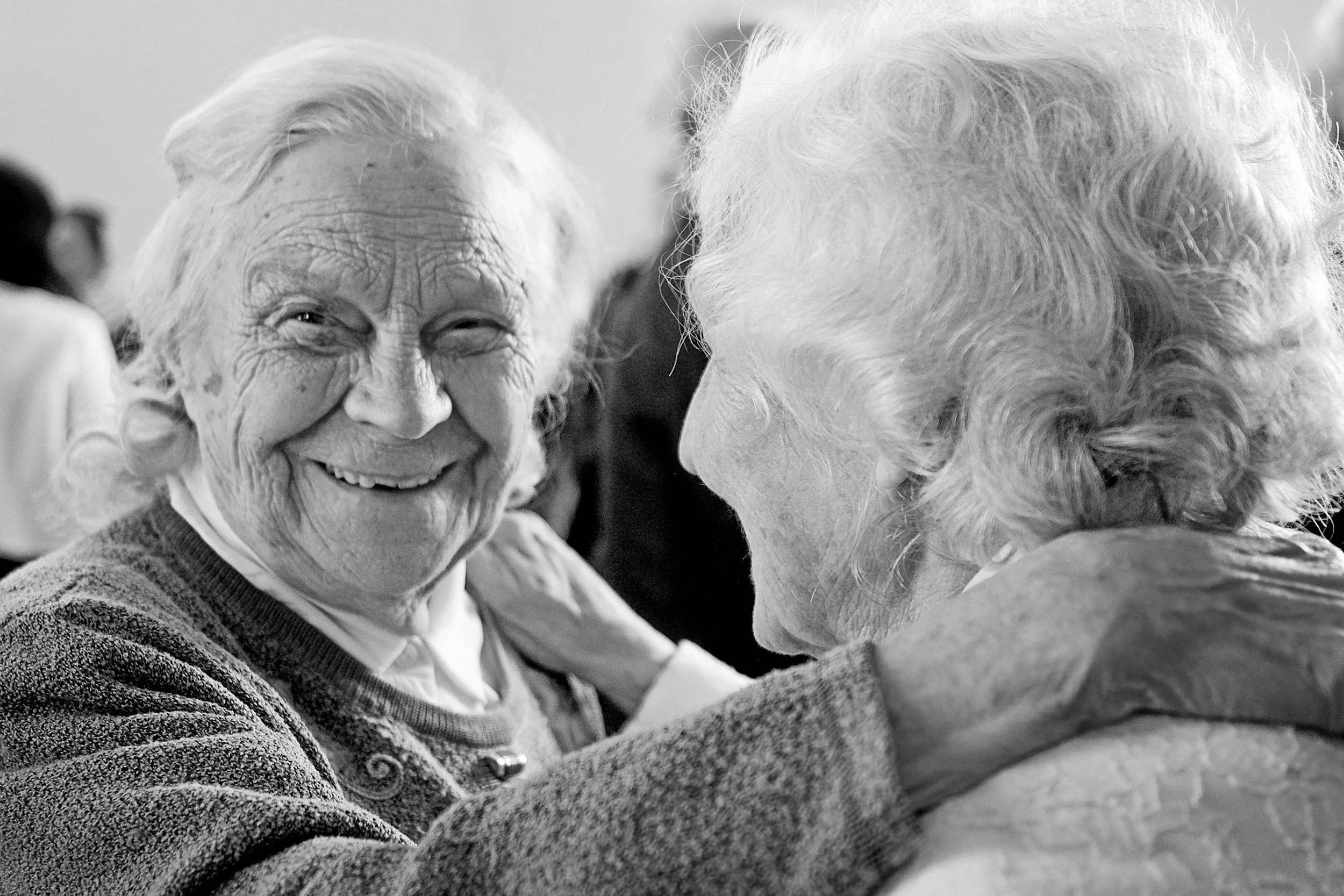
Expanding Connection & Participation for Older Adults
The Opportunity
Meal delivery services, home care providers, senior centers, and community organizations already support older adults through established programs and relationships. These services offer opportunities to expand social connection, encourage meaningful participation, and create ways for older adults, including those who are homebound, to share their knowledge and experiences with the wider community.
The Model
Local retailers, nurseries, and creative businesses could host public workshops and community nights that attract customers while producing something meaningful for older adults. Using available or surplus materials, participants could create floral arrangements, cards, crafts, and small gifts distributed through existing meal delivery, home care, and senior support services. Businesses gain opportunities for customer engagement and additional revenue while contributing to their communities.
A complementary program could connect homebound older adults with students, educational programs, and other community groups through scheduled video conversations. Senior service providers could coordinate participation through existing client relationships, while partner organizations assist with technology, guided discussions, and activities centered on personal experiences, practical skills, careers, and shared interests. The program could become an additional service offering, creating opportunities for educational partnerships, dedicated funding, and paid coordination roles.
Where It Could Go
These activities could develop into recurring programs that strengthen both community participation and the organizations delivering them. Businesses could expand customer engagement and revenue opportunities, while senior service providers could establish funded programs that extend their services, support staffing, and create additional sources of income. Schools and community organizations gain access to intergenerational learning experiences, while older adults gain opportunities for connection, contribution, and improved quality of life. With practical operating frameworks, these programs could expand across communities, creating lasting social and economic value.
-
![]()
Experiential Learning + Participation
The Opportunity
People at different stages of life face decisions about education, careers, personal interests, and future directions. Students may feel pressured to choose a path before understanding their options, while established professionals and people navigating major life transitions may struggle to recognize new possibilities within their existing knowledge, skills, and experiences. Opportunities for direct participation can help people explore their interests, discover their abilities, and consider directions they might not otherwise recognize.
The Model
The concept explores structured experiences that allow participants to engage in real activities, projects, and environments before making decisions about their next steps. Schools, universities, businesses, rehabilitation programs, and community organizations could incorporate workshops, guided experiences, short-term projects, and retreats into existing offerings. Participants could explore different applications for their education and skills, discover unfamiliar interests, and contribute to practical activities involving businesses, communities, conservation, creative work, and other fields. Each experience would include opportunities for reflection, helping participants recognize what interests them, where their abilities fit, and how their existing experience might support different directions.
Where It Could Go
These experiences could develop into recurring educational programs, workshops, retreats, and specialized offerings that expand services and create additional income, partnerships, and funding opportunities for participating organizations. Students could make more informed educational and career decisions, professionals could explore alternative applications for established skills, and people navigating life transitions could identify new possibilities without disregarding their previous experience. Programs could also connect participants with community initiatives, environmental conservation, wildlife protection, and other meaningful work, creating opportunities for personal development alongside practical contributions to the wider world.
-
![]()
Extending the Life of What We Already Have
The Opportunity
Businesses, retailers, and organizations regularly have materials that remain useful after their original purpose has ended. Schools, community programs, craftspeople, and other groups already have activities that could put those materials to productive use. Connecting and expanding these existing practices creates opportunities to reduce waste, support established programs, generate economic activity, and encourage greater community participation.
The Model
The concept explores ways to build on existing reuse, donation, and creative activities through practical arrangements that benefit everyone involved. Retailers could redirect seasonal displays, decorations, flowers, and other surplus materials into workshops, educational programs, community projects, and products. Businesses could host paid workshops that attract customers and generate revenue, craftspeople could create products for sale, and schools and community organizations could expand established activities while reducing material costs. Participating groups could contribute space, transportation, expertise, or distribution through arrangements that account for costs, responsibilities, and material suitability.
Where It Could Go
Recurring partnerships could create additional income opportunities for businesses and craftspeople, reduce expenses for educational and community programs, and support new activities or small enterprises. Existing facilities, relationships, and distribution systems could accommodate additional uses, allowing resources to serve multiple purposes throughout their useful lives. As participation expands, these arrangements could establish repeatable models that strengthen local economic activity, reduce waste, and create lasting opportunities for practical learning and community involvement.
-
![]()
Expanding Community Participation Through Existing Businesses
The Opportunity
Businesses already have expertise, facilities, products, services, staff, and relationships that could support additional community activities. Many participate in events, sponsorships, educational programs, and charitable efforts, but these activities can also become more established parts of their operations. Developing those opportunities creates ways to strengthen customer relationships, reach additional audiences, support community interests, and generate additional business activity.
The Model
The concept explores how businesses could develop a community program or dedicated arm built around their existing capabilities. A veterinary practice could offer public education and pet care workshops, a construction company could provide accessibility and home modification education, or a nursery could host gardening activities and collaborative community projects. Programs could include workshops, demonstrations, educational experiences, partnerships, and public events that introduce people to the business while providing practical community value. Development would consider staffing, facilities, operating costs, partner contributions, revenue opportunities, and the responsibilities needed to support ongoing activities.
Where It Could Go
These activities could develop into recurring programs, additional services, and partnerships that strengthen the business while expanding its contribution to the community. Participation fees, product sales, sponsorships, and collaborative arrangements could help support operating costs and create additional income opportunities. Established programs could also provide a foundation for broader partnerships, dedicated staffing, and new initiatives as demand and capacity develop. The objective is to build community participation into the business in a way that supports its commercial goals, makes practical use of existing resources, and creates value that can continue and expand over time.




See how this approach has been applied through client projects and organizational development.
Interested in exploring what might be possible within your business, organization, community, or idea?