
Original concepts. Commercial possibilities. Broader value.
Reference develops independent business and venture models exploring how existing resources, organizational capabilities, commercial interests, and new partnerships can be brought together in different ways. These concepts illustrate opportunities for regenerative business model innovation, from focused initiatives to larger ventures involving multiple businesses, institutions, and communities.
Each model explores what could be created, the participants and commercial arrangements that could support it, and how the concept might be established and expanded. They are independent development concepts rather than operating ventures.
Development Models
-
![]()
Sustainable Volunteer + Community Initiatives
Building lasting participation into initiatives that serve a larger purpose.
Charitable, conservation, and community initiatives need more than initial enthusiasm. Their long term value depends on useful design, continued participation, reliable support, and arrangements that make them sustainable. A public space, conservation project, or community improvement can become something people actively use, appreciate, and help maintain.
The Concept
Develop coordinated initiatives that bring together community benefit, thoughtful design, public participation, and business involvement. A conservation project might incorporate educational activities and recurring volunteer opportunities. A public improvement could include distinctive features that encourage discovery and participation. Businesses could contribute materials, professional expertise, services, or sponsorship through clearly defined partnerships. The concept connects the initiative's purpose with the people and organizations that benefit from supporting it. Funding, maintenance, volunteer coordination, professional responsibilities, and ongoing participation are considered from the beginning.
Applications
Focused: Develop an individual initiative with a defined purpose, opportunities for participation, and a practical support structure.
Organizational: Establish a coordinated program involving recurring activities, volunteers, sponsors, and professional collaborators.
Larger Scale: Connect multiple programs or locations through shared standards, partnership structures, funding, and organizational support.
-
![]()
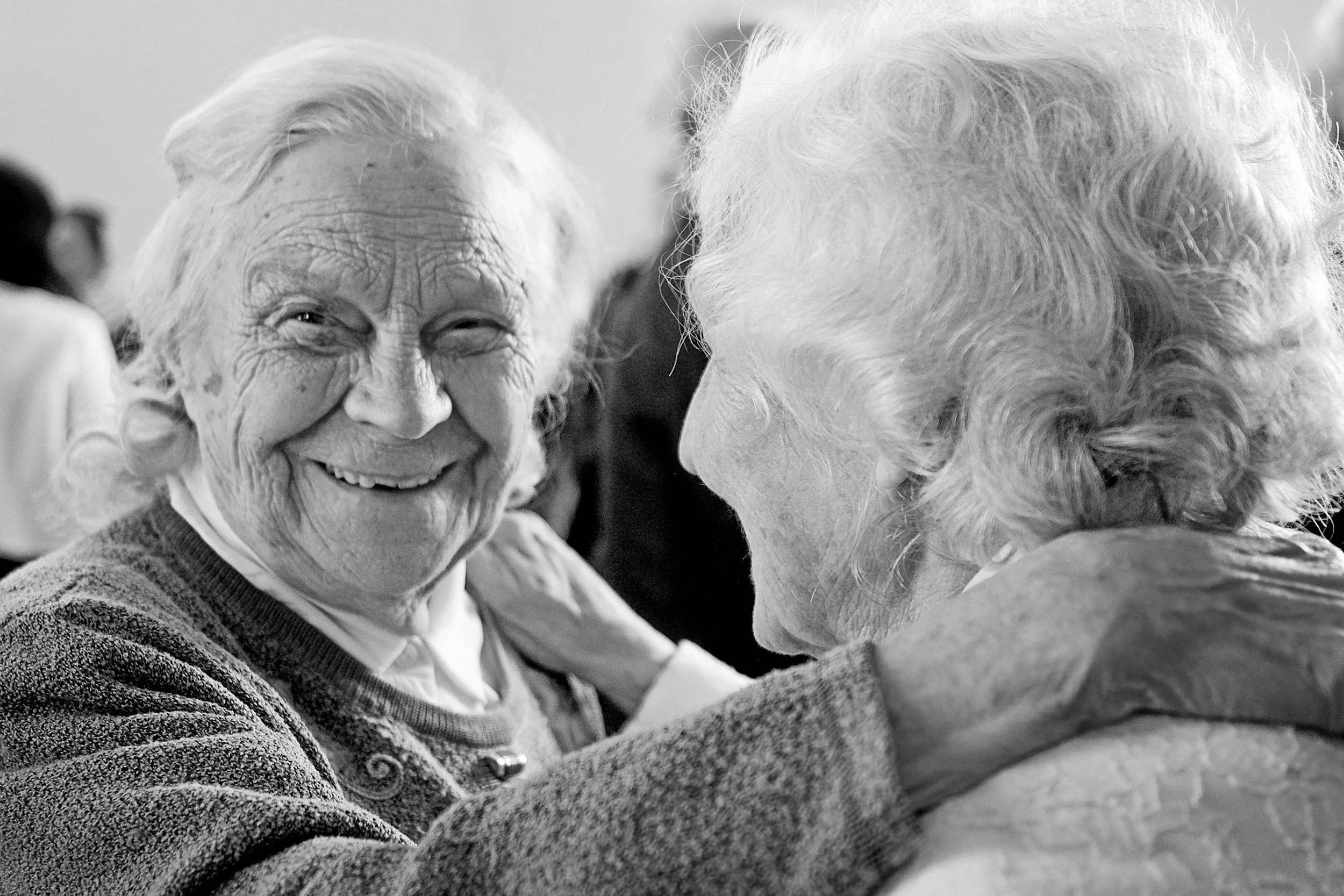
Senior Connection + Intergenerational Learning
Creating new ways for knowledge and experience to move between generations.
Older adults who are homebound or have limited mobility may have fewer opportunities to share their knowledge and remain involved in community life. At the same time, schools and educational organizations are continually seeking meaningful ways to connect learning with lived experience.
The Concept
Develop a coordinated model connecting older adults with younger generations through supported conversations, interactive learning, and shared interests. A classroom studying gardening might connect with someone who has spent decades growing plants. Students exploring a profession might learn directly from someone who worked in the field. Accessible video technology allows participants to connect from homes, residential care settings, classrooms, and community programs. Educational institutions, senior service providers, community organizations, and potential sponsors have complementary reasons to participate. Their involvement can support educational programming, access to technology, facilitation, and continued participation. The model incorporates accessibility, staffing, supervision, privacy, safeguarding, scheduling, technology support, and financial requirements.
Applications
Focused: Establish a recurring connection between an older adult or residential setting and an educational group.
Organizational: Coordinate multiple participants, classrooms, and community partners through a supported program.
Larger Scale: Develop a regional network connecting educational institutions, senior living providers, and community organizations through shared infrastructure and operating standards.
-
![]()
Experiential Learning & Career Exploration
Helping people discover capabilities through direct experience.
Educational and career decisions are often made with limited exposure to the activities, environments, and responsibilities involved. Direct participation can reveal interests and abilities that conventional descriptions, assessments, and classroom learning may not uncover.
The Concept
Develop structured opportunities for people to explore unfamiliar fields through practical activities, professional interaction, and guided reflection. Experiences may involve creative disciplines, traditional skills, business operations, wildlife protection, conservation, community initiatives, or professional services. Participating employers can introduce their industries, observe emerging abilities, and support recruitment or workforce development. Educational institutions and community organizations can connect existing programs with practical experiences offered by businesses and professionals. The model considers how participating organizations contribute facilities, expertise, supervision, and resources, alongside the financial arrangements needed to support recurring programming. Safety, accessibility, staffing, participant guidance, evaluation, and organizational responsibilities are incorporated into the proposed structure.
Applications
Focused: Introduce experiential exploration into an existing educational or development program.
Organizational: Establish recurring activities connecting participants with several professional fields or industries.
Larger Scale: Develop a coordinated network of employers, educational institutions, and organizations offering experiences across multiple disciplines and locations.
-
![]()
Creative Reuse & Resource Sharing
Turning underused resources into new commercial and community opportunities.
Businesses and institutions regularly retire materials, equipment, displays, and other resources that still have productive applications. Meanwhile, educational programs, creative enterprises, and community organizations may need materials or capabilities that already exist elsewhere.
The Concept
Develop a coordinated business model connecting available resources with commercial production, educational activities, and community projects. Materials from business operations can support workshops, commissioned products, public installations, original displays, and practical goods. Contributing businesses may reduce storage and disposal demands. Participating organizations gain access to useful materials. Commissioned production, paid activities, and original products provide potential sources of commercial income. The model addresses material suitability, collection, storage, transportation, production standards, pricing, financial participation, and operating responsibilities. Rather than simply redirecting unwanted materials, the concept establishes productive applications and new value around resources that would otherwise remain underused.
Applications
Focused: Develop a productive new use for materials, equipment, or facilities within an existing business or organization.
Organizational: Connect resource sharing with educational activities, commissioned projects, and commercial offerings.
Larger Scale: Establish a regional or multi location network coordinating material supply, production, distribution, commercial activity, and participating organizations.
-
![]()
Commercial Opportunities Through Existing Businesses
Developing new value from established capabilities and customer relationships.
A business may have more to offer than its primary products and services suggest. Facilities, professional expertise, customer relationships, equipment, and complementary interests can provide the foundation for additional commercial offerings and collaborative initiatives.
The Concept
Develop new services, recurring programs, and strategic partnerships around capabilities a business already possesses. A showroom may introduce educational activities and complementary services. A professional practice may develop programs that bring its expertise into new settings. Existing facilities may support collaborative initiatives involving other businesses and organizations. Commercial possibilities include new offerings, recurring participation, professional partnerships, sponsorships, and additional uses for established resources. The concept considers customer demand, participating businesses, mutual commercial benefits, staffing, facilities, costs, and operating requirements. For companies with multiple locations, a coordinated model can establish consistency while allowing individual locations to respond to their customers and surroundings.
Applications
Focused: Develop a complementary offering or partnership around an existing business capability.
Organizational: Establish a recurring program with defined commercial objectives and participating partners.
Larger Scale: Adapt a coordinated concept across multiple business locations or participating organizations.
-
![]()
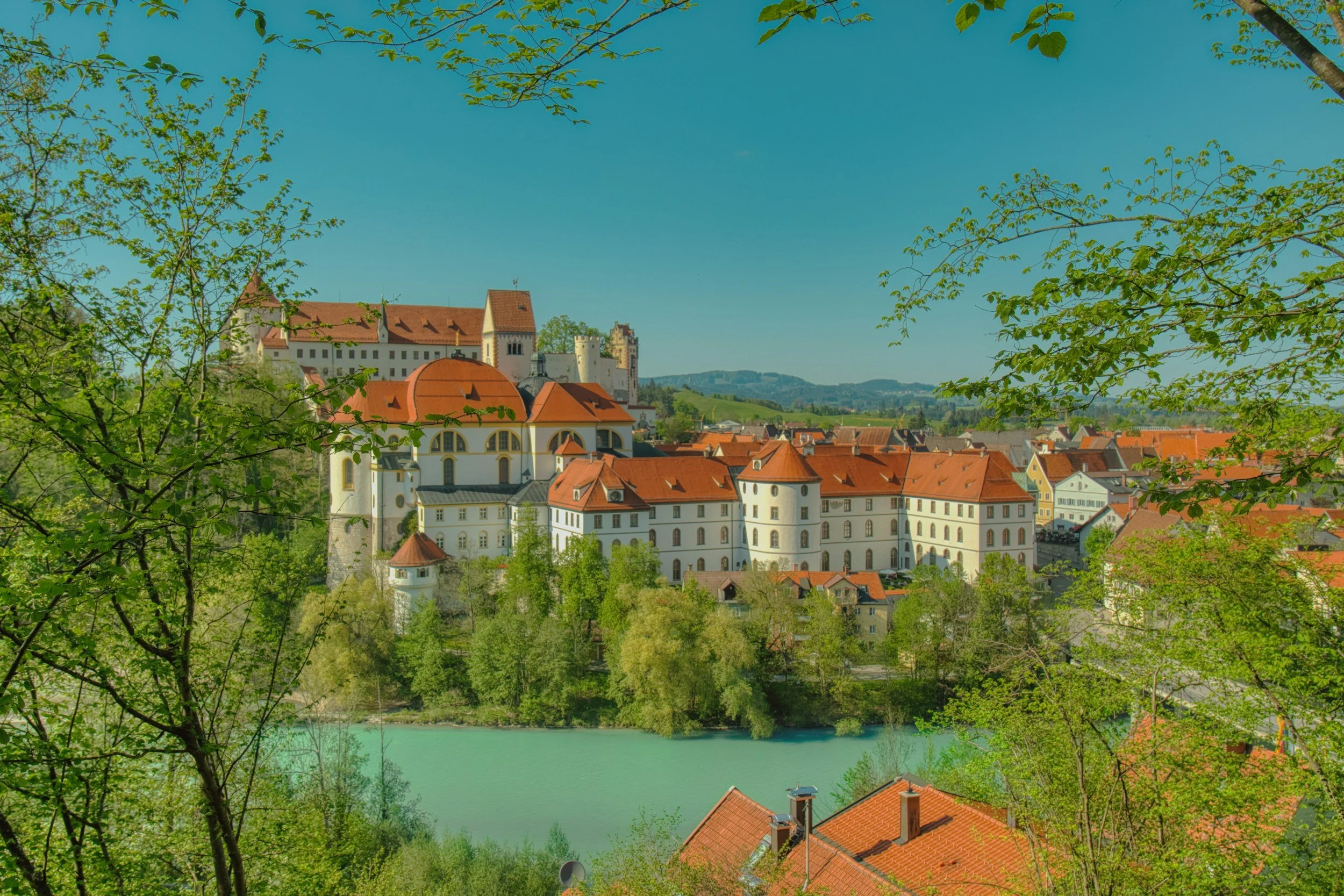
Place Based Ventures + Community Opportunities
Developing commercial concepts around the distinctive character of a place.
Historic properties, educational institutions, retreats, resorts, and other destinations often have capabilities, stories, facilities, and surrounding relationships that support opportunities beyond their established uses. A distinctive setting can become the foundation for new commercial activities, collaborative ventures, and experiences that also benefit the surrounding community.
The Concept
Develop coordinated ventures around the character, resources, and commercial potential of a particular place. A heritage property might connect traditional skills with education and local enterprise. A retreat might establish complementary programs with nearby businesses. An educational institution might introduce new offerings built around its particular expertise. Potential income sources include programs, services, accommodation, commercial partnerships, educational activities, and new uses for existing facilities. The model considers demand, resource requirements, participating organizations, visitor capacity, financial requirements, and operating responsibilities. Larger concepts may connect several destinations or organizations through complementary services, shared resources, and coordinated commercial activity. A focused initial offering can establish participation and practical experience before additional elements are introduced.
Applications
Focused: Develop a new offering or use for an individual property or destination.
Organizational: Establish a coordinated concept connecting activities, commercial opportunities, and local partners.
Larger Scale: Develop a regional or multi location venture linking destinations, businesses, educational institutions, and complementary services.




See Reference in Practice
These independent models demonstrate possibilities for business and venture development. Reference also undertakes commissioned engagements shaped by the circumstances and ambitions of individual clients.
What Could We Develop Together?
Reference develops commercially grounded concepts, partnerships, and ventures that connect larger ambitions with practical opportunities for creating value.